
John Huw Davies
@john.huw.davies
John Huw Davies (b.1987) is a contemporary British painter, composer and musician living and working in London. He is currently undertaking the MA in Painting at the Royal College of Art.
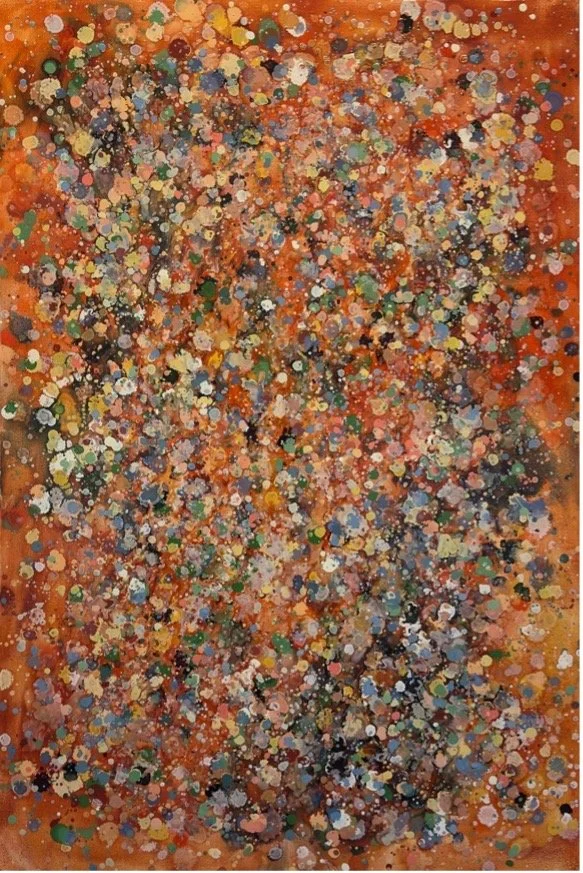
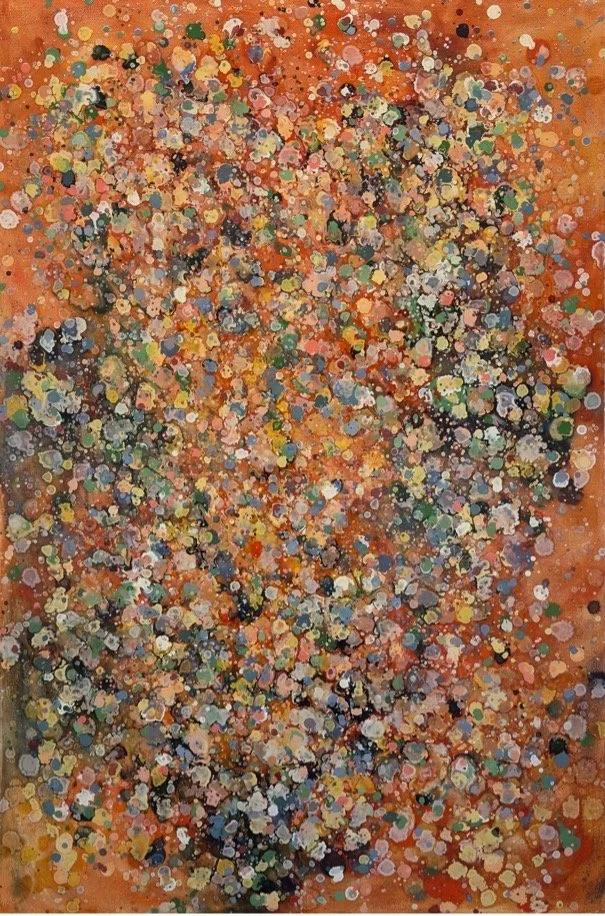
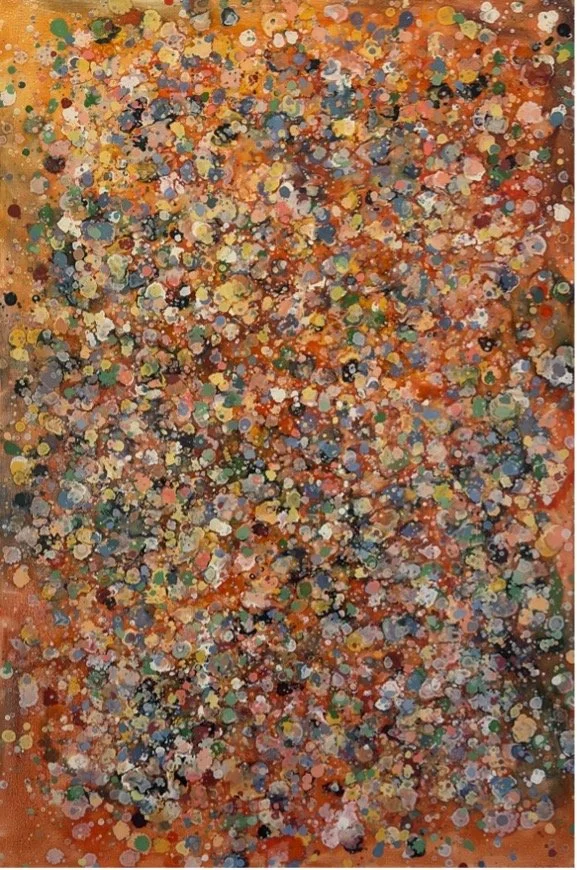
From Left to Right:
'It’s All The Same, But Different' (First Chorus), 2025, Oil on Canvas, 91.4 x 61cm
'It’s All The Same, But Different' (Second Chorus), 2025, Oil on Canvas, 91.4 x 61cm
'It’s All The Same, But Different' (Third Chorus), 2025, Oil on Canvas, 91.4 x 61cm
“When working together on the seminal 'Let’s Dance' album, David Bowie famously told Nile Rogers, “Nile, darling, it’s all the same, but different” Humans love repetition — it’s found throughout music — from repeating drum patterns, riffs and melodies to entire sections; as well as reprises, encores and ‘spinbacks’ during live performance. And yet, we never hear the same music the same way twice, because something different always precedes (and follows) each repetition.
In a pop song, the chorus is usually heard three times. The first chorus debuts the 'hook' and provide a sense of arrival to conclude the ‘story’ told by the first verse. The second verse which follows usually develops the narrative, such that the second chorus which follows hits a little deeper. The third ‘act’ of a pop song usually consists of a mid section (sitting in between choruses two and three), often presenting a 'twist in the tale', which results in the third (and usually final) chorus landing from a different perspective. The listener has heard the same material, twice already, and yet often the third chorus is the highpoint of a song - the climax of the entire sonic journey.
For this reason, choruses are never usually heard together, aside from sometimes a ‘double chorus’ at the very end of the song (the second of which usually adds additional layers of instrumentation and vocal ad-libs). It’s the departure created by verses (and optional pre-choruses) which ensure a satisfying sense of re-arrival on every chorus, such that each feels “the same, but different”.
The individual works aim to create a sense of parts coming together to create a climactic, self-contained image.
On first glance, the three works appear uniform. Each painting utilises a similar compositional structure, the same colour palette, and an identical repetitive methodology and workflow — these are process paintings, born out of layers and layers of repetitive washes and droplets of pigment.
Yet, during the application, each image begins to take on its own unique form. Idiosyncratic relationships are created between the individual marks and ‘notes’, with subsequent marks responding to those that came before, resulting in three individual visual ecosystems which govern their own independent visual structures.
The result is three paintings that, when viewed together, are both “the same, but different” — three choruses from the same song.”